
“The Silent Majority: Why Animal Rights Must Be Cemented into the Global Legal Framework”
By Sofia Tereshchenko
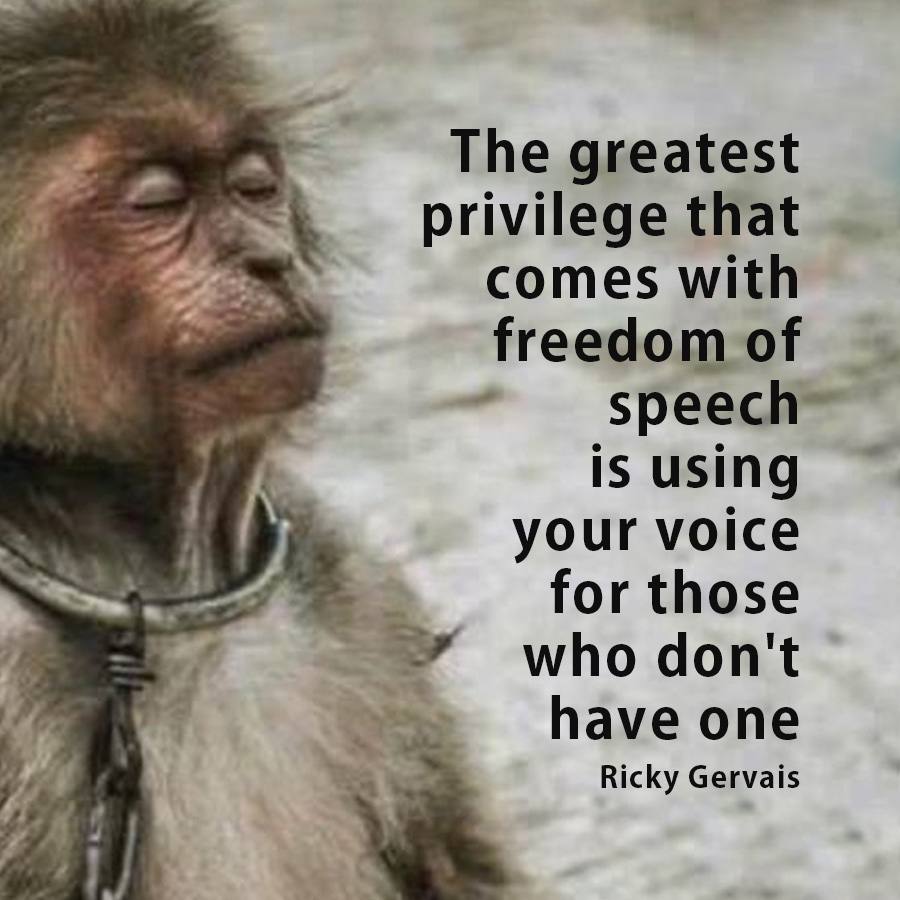
In the grand symphony of life, there exists a voiceless multitude—billions of animals, wild and domestic, terrestrial and aquatic—whose lives unfold parallel to ours but without the protections, dignity, or recognition afforded to human beings. As the 21st century advances, questions of justice, morality, and sustainability are no longer confined to the borders of human experience. The time has come to expand our ethical and legal imagination, to ask not only how we treat one another, but how we treat those who cannot speak for themselves. It is no longer just a matter of kindness—it is a matter of justice.
The Ethical Imperative
The foundation of modern legal systems lies in the idea of rights: the inalienable guarantees that protect individuals from harm and abuse. If we accept that sentience—the capacity to feel pain, fear, joy, or suffering—is the core criterion for moral consideration, then it is intellectually and ethically indefensible to exclude animals from the realm of legal protection. Whether it’s a factory-farmed pig, a lab-tested beagle, or an elephant in chains for human amusement, the moral injustice remains the same: we have made them property, not persons.
Philosophers from Peter Singer to Martha Nussbaum have argued that the capacity for suffering—not species membership—must determine one’s inclusion in the moral community. Legal systems, however, lag behind this ethical insight. While some countries recognize animal welfare in broad terms, the leap toward full legal rights—autonomy, bodily integrity, habitat protection—remains largely unrealized.
From Welfare to Rights: A Necessary Shift
Most existing laws concerning animals operate under the principle of animal welfare—which, while a start, still frames animals as commodities whose well-being should be considered only to the extent that it aligns with human interests. This approach is paternalistic and insufficient. What we need is a legal paradigm rooted in animal rights: the acknowledgment that animals have intrinsic value and deserve fundamental protections regardless of their utility to humans.
A shift from welfare to rights would mean outlawing practices that are routine today: intensive factory farming, cosmetic testing, animal circuses, and mass habitat destruction. It would require courts to recognize animals not as property but as legal persons with standing, capable—through human representatives—of asserting their interests.
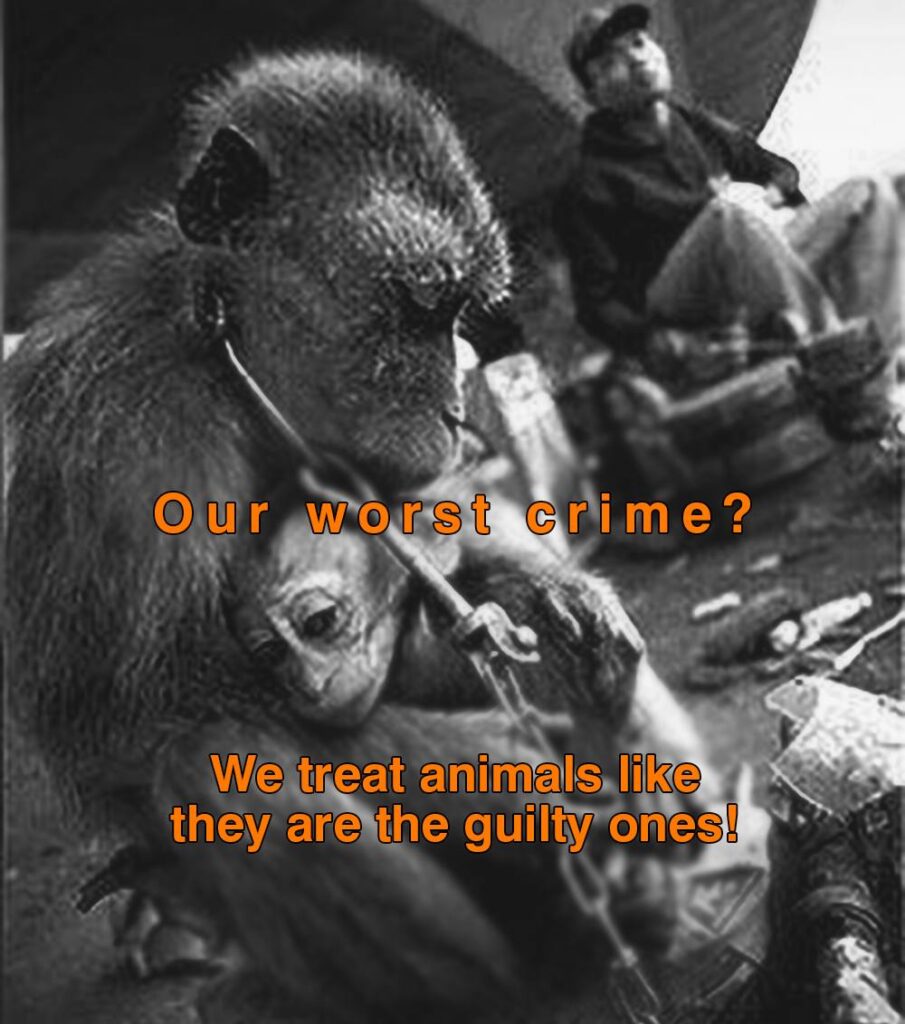
Global Precedents and Legal Innovations
Encouragingly, there are signs of change. In 2008, Ecuador became the first country to enshrine the Rights of Nature in its constitution, indirectly protecting animals by recognizing ecosystems as legal entities. In 2017, New Zealand granted legal personhood to the Whanganui River, inspired by Māori traditions of kinship with the natural world. In India, courts have ruled that animals are “legal entities with a distinct persona,” and Germany has amended its constitution to acknowledge the state’s responsibility to protect animals.
Yet these examples remain exceptions, not the rule. A comprehensive, international legal framework—perhaps modeled after the Universal Declaration of Human Rights—must be established for non-human beings. An International Convention on Animal Rights, backed by the United Nations or a similar body, could standardize protections and provide recourse against abuses that transcend borders.
Environmental and Human Stakes
Defending animal rights is not only a moral duty but an ecological necessity. Industrial animal agriculture is a leading contributor to climate change, deforestation, and antibiotic resistance. The destruction of habitats and biodiversity is accelerating at an unprecedented pace, fueled by legal systems that treat animals as disposable. Protecting animals means protecting ecosystems—and, by extension, ourselves.
Moreover, societies that institutionalize cruelty toward animals often cultivate a broader culture of violence and desensitization. Studies have shown strong correlations between animal abuse and domestic violence, as well as other forms of social harm. Upholding animal rights, then, is a commitment to a more peaceful, respectful human society.
Legal Personhood and the Question of Representation
A key challenge in embedding animal rights into law is the question of representation. Who speaks for the voiceless? Legal scholars have proposed models wherein NGOs, animal rights lawyers, or ethical trustees act as guardians, similar to how children or incapacitated adults are represented in court. This would enable animals to have standing—to be seen not as property to be protected, but as beings whose rights can be asserted and defended.
The concept of legal personhood—already extended to corporations and rivers—must evolve to include the sentient non-human world. By establishing legal guardianship and a rights-based framework, we can ensure that animals have more than just welfare—they can have justice.
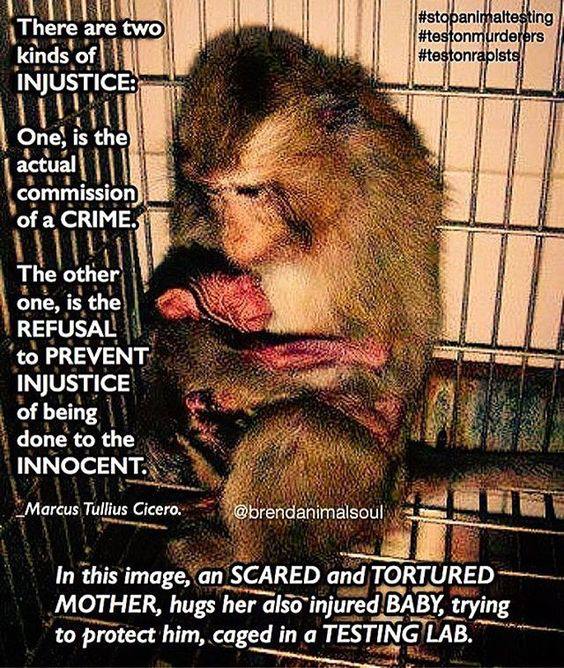
The Road Ahead: From Compassion to Codification
We live in an age where cruelty is industrialized, invisible, and legal. And yet, we are also witnessing an unprecedented awakening of global consciousness. From veganism to conservation, from animal rescue to legal reform, the tide is turning. But awareness must now give way to codification.
To truly be a civilized world, we must have laws that reflect our highest values—not merely our traditions or economic interests. Animal rights must not remain a niche moral cause. They must become law. Enforceable. Unambiguous. Global.
Because the question is no longer “Can they reason?” or “Can they talk?” The only question that matters is: “Can they suffer?” And if they can, they deserve more than pity—they deserve protection.
About the Author:
Sofia Tereshchenko is an independent international investigative journalist and writer. Based in Europe, she specializes in human rights, environmental justice, and socio-political storytelling. She is the founder of the upcoming centrist digital newspaper, La Respublica.